A basement can offer valuable space that is often underused or overlooked. Remodeling this area can transform an unfinished or outdated basement into a comfortable extension of the home. Depending on the property's layout, the space can become a family room, home office, guest area, entertainment space, gym, or additional living area. A well-planned project can also improve organization, lighting, insulation, and overall functionality. Homeowners can tailor the design to their household's needs rather than leaving the lower level as simple storage. Remodeling may also make the property more appealing to future buyers who value functional finished space. According to HomeGuide, basement remodeling can provide a return on investment of up to 70%. Working with experienced basement remodeling contractors can help homeowners develop a practical plan that balances design preferences, functionality, and long-term value.
Creating Additional Living Space
One of the biggest advantages of remodeling a basement is the opportunity to create more usable living space without constructing an entirely new addition. An unfinished basement can often provide enough room for activities that currently compete for space elsewhere in the house. Families may use the remodeled area as a comfortable gathering space for watching movies, playing games, or spending time together. A finished basement can also provide children with a designated area for hobbies and recreation. Homeowners who frequently host guests can create a flexible space that accommodates visitors when needed.
Thoughtful layouts can separate different activities while maintaining an open and welcoming atmosphere. Flooring, wall finishes, lighting, and furnishings can all contribute to making the lower level feel like a natural part of the home. Basement remodeling contractors can help homeowners determine how to make the available square footage practical for everyday use.
Improving Home Organization
Basements are frequently used to store seasonal decorations, tools, clothing, equipment, and other household belongings. While storage is useful, an unorganized basement can quickly become crowded and difficult to navigate. Remodeling provides an opportunity to create designated storage areas that keep belongings accessible without taking over the entire room. Built-in cabinets, shelving, closets, and under-stair storage can help maximize otherwise unused areas. Homeowners can also establish specific zones for seasonal items, household supplies, recreational equipment, or personal belongings. Better organization can make the basement easier to maintain and reduce the need to search through piles of stored items. A combination of concealed and open storage can also keep frequently used items convenient while maintaining a cleaner appearance. Basement remodeling contractors can incorporate storage into the overall design so organization becomes part of the finished space rather than an afterthought.
Supporting Flexible Home Functions
A remodeled basement can serve several purposes as household needs change over time. One homeowner may need a quiet office, while another family may prefer a workout area or entertainment room. The space can also be designed with flexibility so it can serve different functions at different times. For example, a large finished room can accommodate both a home office and a recreational area when the layout is planned carefully. Movable furniture, modular storage, and adaptable lighting can make it easier to change the room's purpose.
This flexibility can be especially useful as children grow or work arrangements change. Instead of dedicating the entire basement to one activity, homeowners can create a versatile environment that evolves with their needs. Basement remodeling contractors can help identify layout options that make the space useful for both current and future purposes.
Enhancing Comfort And Appearance
An unfinished basement can feel dark, cold, or disconnected from the rest of the home. Remodeling can address these concerns through improvements to lighting, flooring, walls, ceilings, and temperature control. Recessed lighting and strategically placed fixtures can make the area brighter and more inviting. Finished walls and ceilings can give the basement a more polished appearance while helping it feel like a true living area. Comfortable flooring can also make the space more suitable for relaxing, working, or entertaining. Color choices, furnishings, and finishes can further create a consistent design that complements the rest of the house. Addressing comfort concerns during the remodeling process can make homeowners more likely to use the basement regularly. Basement remodeling contractors can coordinate these design elements to create a finished environment that is comfortable as well as visually appealing.
Increasing Property Functionality
A finished basement can expand the ways homeowners use their existing property. Instead of moving to a larger house because of limited usable space, some families may be able to improve their current home by utilizing the basement. Additional rooms can provide greater flexibility for work, recreation, hobbies, guests, or household activities. This can be particularly valuable when the home's main living areas are already heavily used. A basement remodel may also give homeowners the opportunity to create a dedicated space for activities that would otherwise take place in bedrooms or common areas. More functional space can contribute to a home that better accommodates changing household requirements.
According to the needs of the project, homeowners can prioritize either one primary purpose or several complementary uses. Basement remodeling contractors can help organize the available area so the finished basement contributes meaningful functionality to the property.
Improving Energy And Indoor Conditions
Basement remodeling can also provide an opportunity to address conditions that affect comfort and energy use. Insulation improvements may help reduce unwanted temperature changes between the basement and other parts of the home. Sealing certain areas can also help limit drafts and improve the overall indoor environment. Proper ventilation and moisture management are particularly important because basement conditions can differ from those on above-ground floors. Homeowners should address signs of water intrusion, excessive humidity, or inadequate airflow before covering walls and floors with finished materials.
Resolving these concerns early can help protect the finished space and the materials used during remodeling. Energy-conscious lighting and efficient fixtures can provide additional improvements without compromising functionality. Basement remodeling contractors can identify areas that may need attention before the cosmetic portions of a project are completed.
Supporting Entertaining And Recreation
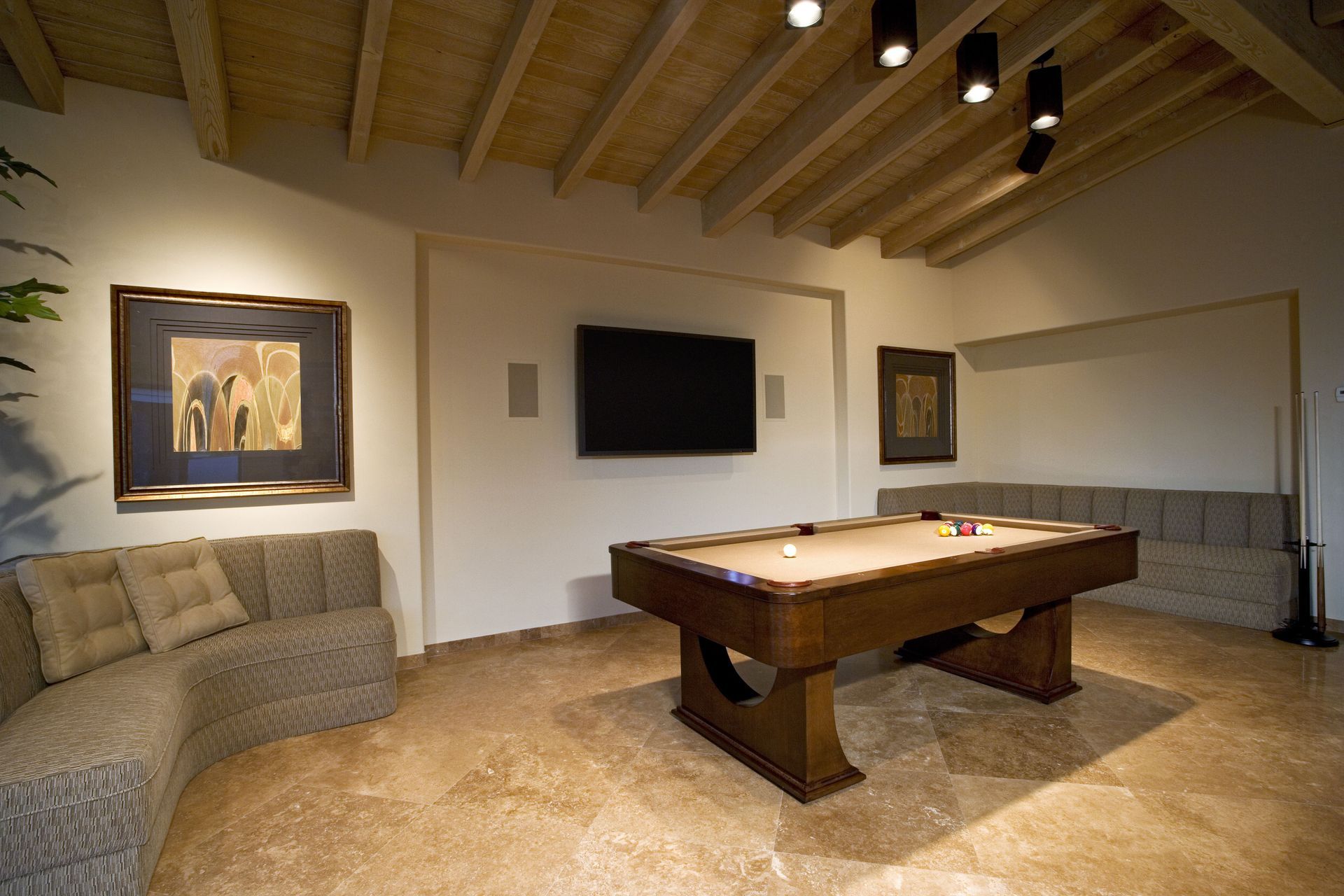
A remodeled basement can provide a dedicated setting for entertainment and recreation. Homeowners can create spaces for movie nights, gaming, music, hobbies, or casual gatherings without disrupting activities in the main living areas. A media room can incorporate comfortable seating and appropriate lighting for watching films or television.
Larger basements may accommodate game tables, exercise equipment, or hobby stations while still leaving room for seating. The design can be customized around the activities that the household enjoys most. Sound considerations can also be incorporated when the space is intended for movies, music, or gaming. Durable finishes can help the room withstand frequent use while remaining comfortable and attractive. Basement remodeling contractors can help homeowners plan a recreational environment that uses the available space efficiently and supports the way the household wants to spend time together.
Planning A Successful Remodeling Project
A successful basement remodel begins with careful planning rather than immediately selecting finishes or furniture. Homeowners should first determine how they want to use the space and identify any structural, moisture, electrical, plumbing, or ventilation considerations.
Establishing priorities early can help keep the project focused and prevent unnecessary changes during construction. The layout should account for existing features such as support columns, stairs, mechanical equipment, and utility access. Homeowners should also consider lighting and storage during the planning stage instead of attempting to add them after the primary work is complete. A realistic budget can help guide decisions about materials, fixtures, finishes, and optional features. Clear communication with the remodeling team can make it easier to coordinate the different aspects of the project. Basement remodeling contractors can bring these considerations together to create a finished basement that is practical, comfortable, and aligned with the homeowner's goals.
Complete Home Solutions, LLC can help homeowners transform underused basement areas into functional and comfortable spaces designed around their needs. Contact us to discuss your basement remodeling project and explore options for making better use of your home's available space.